
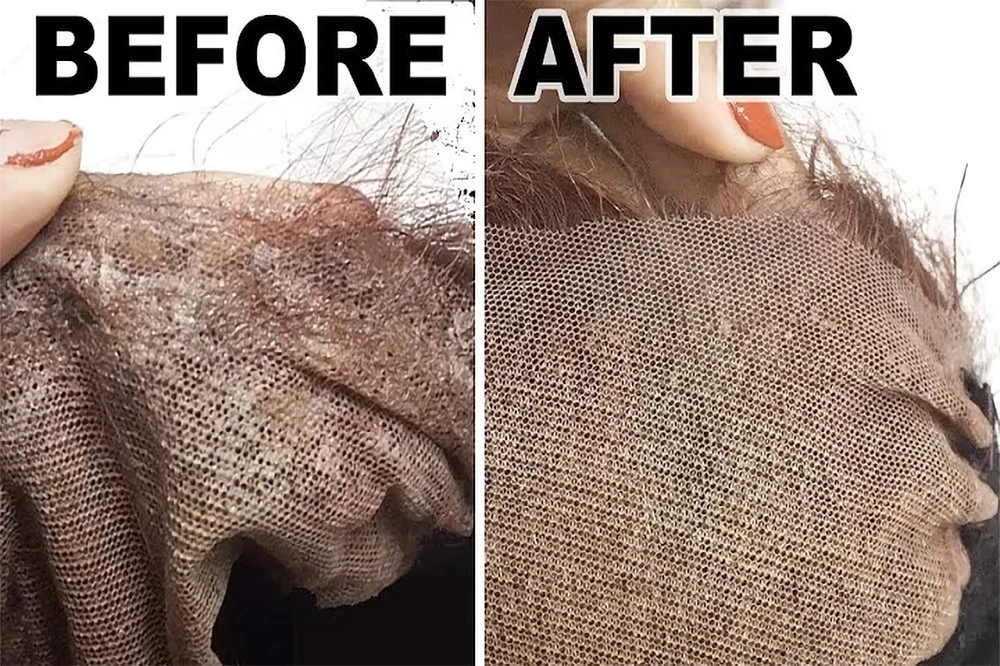
Removing glue residue from a lace wig can feel daunting, but with the right techniques and a little patience, you can restore your wig to a clean, natural-looking state without damaging the delicate lace or hair fibers. Whether you wear lace wigs daily or reserve them for special occasions, knowing how to safely and effectively remove adhesive is an essential skill for every wig enthusiast. This comprehensive guide will walk you through multiple proven methods—ranging from gentle natural remedies to specialized adhesive solvents—as well as best practices for cleaning, conditioning, and caring for your lace wig afterward. By the end, you’ll have everything you need to keep your lace front looking flawless, your hairline intact, and your scalp healthy.
Why Proper Glue Removal Matters
Preserve Lace Integrity
Lace fronts are made of ultra-fine, porous mesh that can tear or stretch if you tug too hard. Removing glue gently helps maintain the lace’s strength and lifespan.Protect Hair Fibers
Harsh solvents or excessive scrubbing can strip hair fibers of moisture, leading to frizz, split ends, and tangles. Using the right products prevents unnecessary damage.Scalp Health
Glue residues left against your scalp can cause itching, irritation, or even allergic reactions. Thorough removal ensures your skin stays comfortable and clear.
Gathering Your Supplies
Before you begin, assemble the following tools and products. Having everything on hand will make the process smoother and help you work efficiently:
Oil-Based Agents
Coconut oil, olive oil, or jojoba oil
Baby oil or vitamin E oil (gentle on skin)
Commercial Adhesive Remover
Alcohol-based wig adhesive removers formulated for sensitive skin
Petroleum-free, silicone-based removers if you have allergies
Household Solvents (use sparingly)
Rubbing alcohol (70% isopropyl)
Acetone (nail polish remover)—only for very stubborn glue and with caution
DIY Solutions
Warm water mixed with baking soda or sea salt
White vinegar diluted in warm water
Tools
Soft-bristled toothbrush or small soft brush
Cotton balls or cotton swabs
Microfiber towel or soft cloth
Wide-tooth comb
Bowl or spray bottle for solutions
Protective Gear
Disposable gloves (especially when using solvents)
Old towel or cape to protect clothing
Method 1: Gentle Oil Treatment
Best for: Light glue buildup; sensitive skin.
Apply the Oil
Put on gloves and drape an old towel around your shoulders.
Saturate a cotton ball or soft cloth with coconut, olive, or baby oil.
Gently press the oil onto the glue line, allowing it to sit for 5–10 minutes. The oil will penetrate and loosen dried adhesive.
Loosen the Lace
Carefully lift one edge of the lace and apply a drop more oil if you encounter resistance.
Use your fingertips to gently work the oil between the lace and your scalp (or mannequin head).
Remove Residue
Once the lace pulls away easily, use a toothbrush dipped in oil to brush off leftover glue particles.
Wipe away any excess oil with a clean cloth.
Rinse and Condition
Rinse wig section under lukewarm water or gently dampen with a spray bottle.
Shampoo with a sulfate-free wig shampoo, then condition mid-lengths and ends.
Air-dry on a wig stand.
Method 2: Commercial Adhesive Remover
Best for: Moderate to heavy glue; reliable, quick removal.
Choose the Right Remover
Look for a remover labeled “lace wig safe” or “sensitive skin.”
Avoid harsh acetone-based formulas if you have skin sensitivities.
Spot-Test First
Dab a small amount on the inside edge of the wig lace.
Wait 2 minutes—if no irritation occurs, proceed.
Apply and Wait
Dispense remover around the entire perimeter of the lace (on the inside).
Let it sit according to the product instructions (usually 2–5 minutes).
Gently Peel
Starting at the temples, peel the lace away at a 45° angle.
If any spots feel stuck, apply a touch more remover and wait an extra minute.
Clean Thoroughly
Use a wide-tooth comb to sweep away loosened glue.
Wash, condition, and air-dry as described above.
Method 3: DIY Warm Water Mix
Best for: Minimal buildup; eco-friendly approach.
Prepare the Solution
In a spray bottle, mix warm water with a teaspoon of baking soda or sea salt. Shake well.
Soak and Spray
Place the wig on a mannequin head or tilt your head back.
Generously spray the glue line until fully saturated.
Massage and Loosen
Let it sit for 10–15 minutes.
Use your fingers or a soft brush to gently massage the lace, dissolving the adhesive.
Rinse and Repeat
Rinse with warm water. If residue remains, repeat the process once more.
Proceed with a gentle shampoo and conditioner.
Method 4: Targeted Solvent Removal
Best for: Stubborn adhesive spots; experienced users.
Warning: Both rubbing alcohol and acetone can be drying. Use sparingly, and avoid direct contact with skin when possible.
Alcohol Method
Dip a cotton ball in 70% isopropyl alcohol.
Dab gently on glue spots, moving the ball back and forth until residue lifts.
Immediately follow with an oil rinse to restore moisture.
Acetone Method
Apply a pea‑sized drop of pure acetone to a cotton swab.
Touch it to the glue spot—do not soak the lace.
As the glue softens, wipe it away swiftly.
Rinse thoroughly with oil and water to neutralize the acetone.
Deep Cleaning: Washing and Conditioning
After any glue-removal method, your lace wig will benefit from a full wash to remove oils, solvent residue, and tiny particles of adhesive.
Fill Your Basin
Use cool to lukewarm water. Hot water can warp synthetic fibers or weaken human-hair cuticles.
Shampoo Gently
Apply a small amount of sulfate-free shampoo directly to the lace area.
Gently massage in circular motions, using a soft brush if needed.
Condition Mid-Lengths and Ends
Avoid the cap to prevent loosening the lace knots.
Use a rich, silicone-free conditioner to replenish hair fibers.
Rinse and Squeeze
Rinse until water runs clear.
Gently squeeze (do not wring) out excess water.
Air-Dry
Place on a wig stand in a cool, ventilated area.
Never use high-heat dryers on lace wigs.
Post-Removal Care and Tips
Trim Loose Threads: Use small scissors to snip any stray lace fibers—but be careful not to cut the mesh itself.
Reinforce the Hairline: If you notice thinning at the lace edge, apply a thin layer of clear wig glue or sealant before your next wear.
Rotate Adhesives: Alternate between oil-based and water-based glues to minimize buildup and reduce skin irritation.
Store Properly: Always keep your lace wig on a mannequin head or in a satin bag to maintain its shape and prevent dust accumulation.
Regular Maintenance: Aim to remove adhesive and wash your lace wig every 10–12 wears to keep it looking and feeling fresh.
Final Thoughts
Removing lace wig glue doesn’t have to be stressful. By choosing the method that best suits your adhesive type, hair-fiber material, and personal skin sensitivity, you can ensure a gentle, effective clean that preserves the longevity of your wig. Remember to follow up every removal session with a thorough wash and conditioning treatment, and give your lace front the TLC it deserves. With these techniques in your toolkit, your wig will look pristine—and your confidence will shine—every time you wear it.





Validate your login