
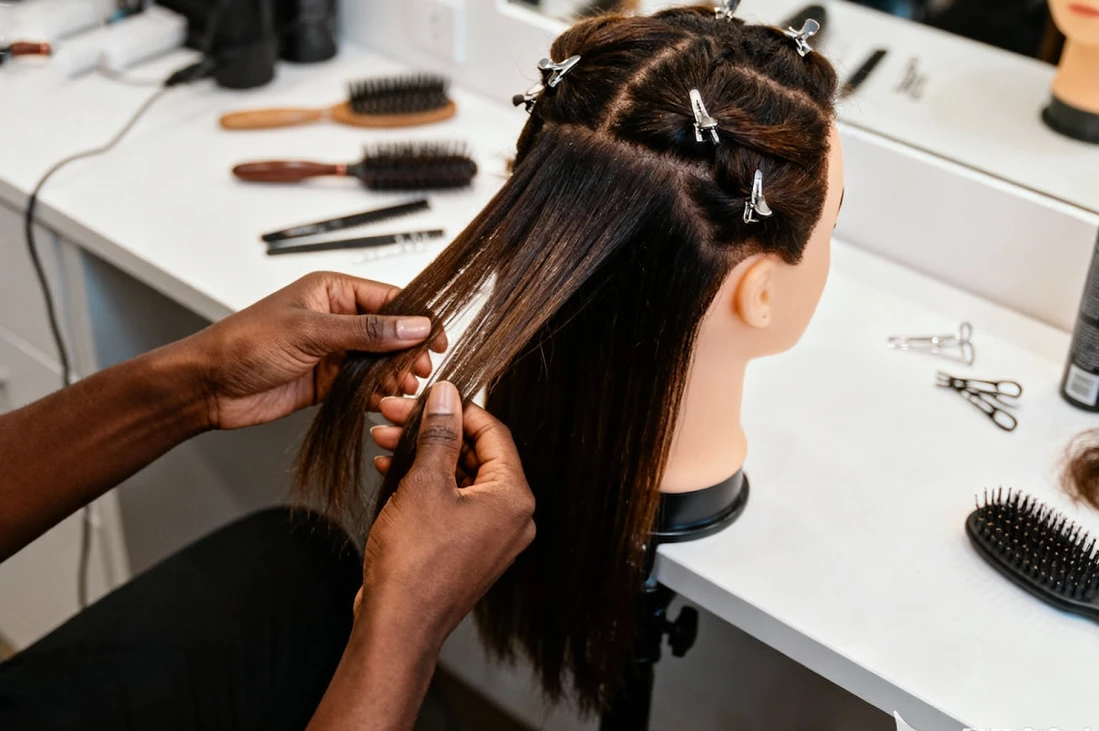
Introduction: Unleash Your Creativity, Not the Damage
Changing up your wig's style—whether it's trying out new bangs, creating voluminous curls, or simply switching your part—is one of the greatest joys of wearing wigs. But that nagging question always remains: Will I damage it?
The answer is: Absolutely not—if you know the right techniques. Whether you own a delicate human hair wig or a durable synthetic one, following the professional tips in this guide will allow you to transform your style with confidence while maximizing your wig's lifespan.
Part 1: The Golden Rule – Know Your Wig
This is the most critical step before picking up any styling tool. Using the wrong method is the primary cause of irreversible damage to wigs.
-
Human Hair Wigs: Treat it like your best head of hair. It can withstand low-to-medium heat tools, but you must use heat protectant. It can be dyed, but it's highly recommended to have this done by a professional.
-
Synthetic Wigs: It's made from synthetic fibers. Most synthetic wigs cannot tolerate high-heat tools (like flat irons or curling wands); high temperatures can melt the fibers. Always check the manufacturer's specific heat tolerance guidelines.
Part 2: Universal Safe Styling Rules (Apply to All Wigs)
-
Start Clean: Always style on a clean, detangled wig. Any product buildup can cause extra damage when heat is applied.
-
Gentle Detangling is Key: Always use a wide-tooth comb or a wig-specific brush. Always start from the ends and work your way up gradually to the roots to avoid aggressive pulling and hair loss.
-
Heat Protectant is Non-Negotiable: Even for human hair wigs, always spritz on a heat protectant spray designed for wigs before using hot tools. This barrier significantly reduces heat damage.
Part 3: Type-Specific Styling Techniques
A. For Human Hair Wigs
-
Temperature Control: Set your hot tools (flat iron, curling iron) to a low or medium setting (around 120°C - 160°C). Lower is always safer.
-
Avoid Repeated Passes: Try to achieve your style in one go. Repeatedly going over the same section of hair accelerates moisture loss and leads to dryness.
-
Curling Technique: When using a curling wand, wrap the hair around the barrel first, then apply heat, rather than applying heat and then wrapping. This creates more natural, less damaging curls.
B. For Synthetic Wigs
-
Embrace "Heat-Free" Styling: This is the safest route!
-
The Hot Water Method: This is a synthetic wig's "secret weapon." After detangling the wig, set the desired style using rollers or flexi-rods. Then, dip it in hot water (not boiling) for a moment. Remove it and let it air dry completely. The curls or waves will be set magically.
-
The Steam Method: Use a handheld steamer or a garment steamer, holding it 15-20 cm away from the wig. Use your hands or a round brush to shape the hair as you steam. The steam temporarily "relaxes" the synthetic fiber's memory, allowing it to be reset. Caution: Never direct steam directly into the inner cap.
-
Specialized Products: Use styling sprays or mousses made specifically for synthetic wigs. They are formulated for the fibers and won't cause stickiness or buildup.
-
Part 4: The "Style Killers" You Must Avoid
-
❌ Using high-heat tools on synthetic wigs (unless explicitly labeled "Heat-Friendly" or "Stylable").
-
❌ Using regular hair products containing alcohol or heavy oils (they can damage fibers, causing dryness and clumping).
-
❌ Aggressively pulling or ripping through tangles.
-
❌ Using regular hair dye on wigs (only for human hair, and with extreme caution).
Conclusion: Style with Confidence, Care with Wisdom
Styling your wig shouldn't be a gamble. By understanding your wig's "personality" and adopting these gentle yet effective methods, you can explore endless style possibilities without the cost of damaging your cherished piece.
Remember, the most fashionable styles begin with the most thoughtful care. Now, go create your new look!






Validate your login