
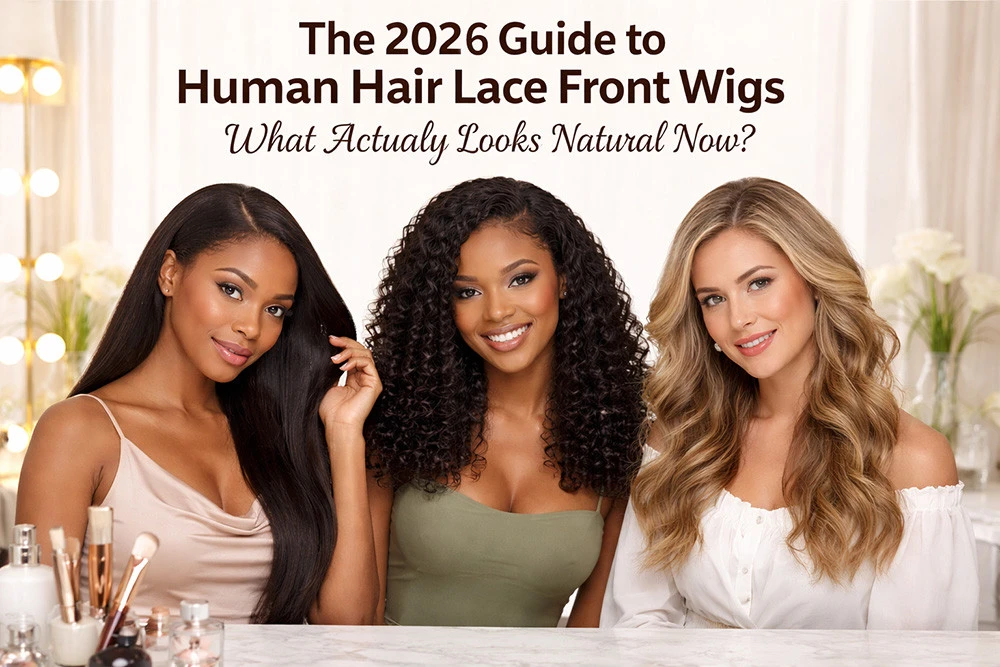
In 2026, the standard for a “natural” lace front wig is no longer limited to a believable hairline. Naturalness now depends on an integrated set of factors: hairline construction, texture and color match, cap fit, density, and how the style suits an individual’s head shape, age, and lifestyle. This guide explains what to look for in human hair lace front wigs and offers practical, actionable recommendations. It includes three highly effective options—Invisi Strap® 360 Glueless, Burmese Curly, and Feather Crochet—and shows how to match each to real-world needs and occasions.
What “Natural” Means for a Lace Front Wig in 2026
A natural lace front wig recreates the visual cues the eye expects from real hair at close inspection and at a distance. Key attributes are:
Realistic hairline: Individual hand-tied or pre-plucked hairs and appropriate density at the front create a soft, graduated hairline.
Correct density and tapering: Density should mirror natural hair at the parting and edges; too much density at the hairline reads as artificial.
Texture and color match: The wig’s texture and shade should harmonize with the wearer’s complexion and remaining natural hair where visible. Subtle highlights and lowlights increase realism.
Proper cap fit: A well-fitting cap prevents excessive movement, reduces visible lace gaps, and ensures the hair falls naturally.
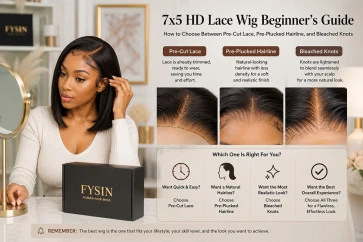
Natural parting and scalp appearance: HD or skin-toned lace, combined with appropriate knot-bleaching and scalp-colored foundation, improves the illusion of hair growing from the scalp.
These elements together determine whether a lace front wig looks natural in daily life, under photography, and in motion.
Key Factors That Determine Naturalness
Head Shape & Cap Fit
Head shape (round, oval, square, long, heart) influences the best silhouette and parting. A wig must fit the scalp snugly—neither too loose nor overly tight—and the cap construction should allow adjustment. For most wearers, a slightly smaller cap with adjustable straps produces the most secure and natural result.
Age & Personal Style
Younger wearers often prefer fuller, trend-forward densities and bolder colors; older wearers typically favor softer hairlines, moderate densities, and classic cuts that frame the face. Choose density, length, and styling that enhance facial proportions rather than overpower them.
Occasion & Lifestyle
Everyday wear requires breathable caps, low-maintenance textures, and secure attachment methods. Special occasions or photography calls for HD lace, careful part refinement, and possibly professional styling to ensure the hair photographs naturally.
Texture & Color Matching
Match curl pattern and strand thickness to the wearer’s natural hair when blending is required. For a seamless look, adopt subtle color gradients (root shadow or lowlight) rather than flat, single-tone shades.
Installation Method
Glueless systems prioritize convenience and scalp health for frequent wearers; tape or adhesive offers maximum hold for high-motion activities. Select the installation method that aligns with daily routine and tolerance for adhesives.
Three Top Picks and Practical Guidance
1. Invisi Strap® 360 Glueless — High-end Lace Wig for a Seamless Hairline
Overview: The Invisi Strap® 360 Glueless is a full-perimeter lace solution designed to provide a continuous, natural hairline around the entire head without relying on adhesives.
Why it looks natural: A full-lace perimeter enables hair to be styled away from the face while preserving the natural direction of hair growth. The Invisi Strap® system secures the wig on the head without glue, minimizing edge build-up and preserving the lace’s appearance.
Who it’s for: Active users, professionals who need long wear without reapplying adhesives, and anyone seeking the most natural hairline possible for front-facing styles (swept bangs, updos, and high ponytails).
Styling tips: Use a light pre-pluck where necessary to soften the hairline and create delicate baby hairs. For a secure but non-adhesive hold, adjust the strap to the correct tension and pair with a wig grip for extra security during high-activity periods.
Care & maintenance: Remove and store on a wig stand after extended wear to preserve lace shape. Clean the strap per manufacturer instructions and avoid strong adhesives that could reduce strap efficacy.
View More Invisi Strap® 360 Glueless Wig Product Details
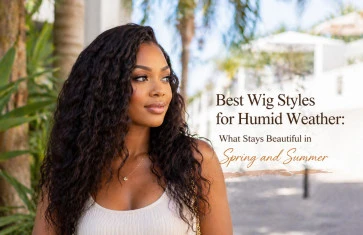
2. Burmese Curly Wig — Natural Volume and Movement
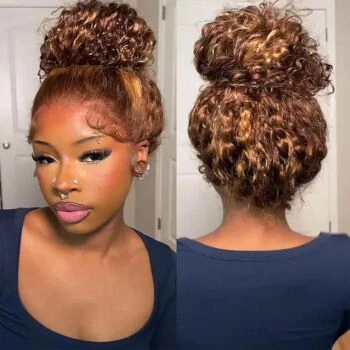
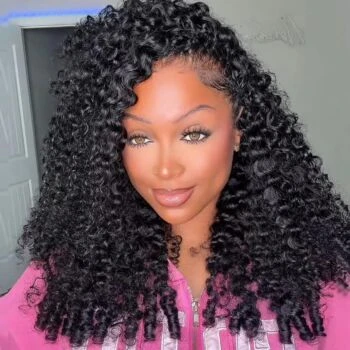
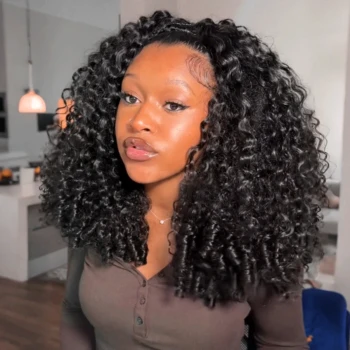
Overview: The Burmese curly pattern delivers defined, bouncy curls with natural separation and a soft sheen. In human hair form, Burmese curls offer a lifelike curl structure that resists matting when properly maintained.
Why it looks natural: Well-constructed curly wigs with appropriately graduated density mimic natural curl patterns where roots are slightly less dense and ends retain shape, creating a multi-dimensional, lifelike appearance.
Who it’s for: Wearers who want immediate curl volume without extensive daily styling—those seeking an effortless yet polished curly look for both everyday wear and events.
Styling tips: Revive curls with a water-based curl refresher and use a wide-tooth comb or finger-style detangling. Avoid heavy oils that can weigh curls down; prefer lightweight leave-in conditioners and curl creams. For photography or events, gently fluff at the roots to introduce natural movement.
Care & maintenance: Detangle gently when damp and deep-condition monthly. Air-dry or diffuse on low heat to preserve curl definition and elasticity.
View More Burmese Curly Wig Product Details
3. Feather Crochet Hair — Pack-by-Pack Crochet for Layered Natural Looks
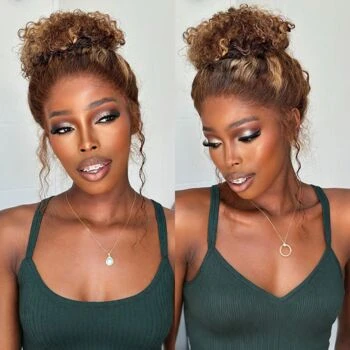
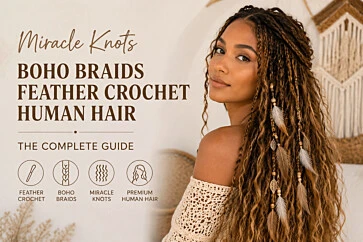
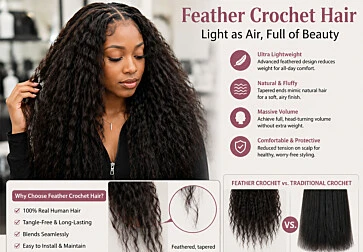
Overview: Feather crochet hair is sold in individual packs and applied via crochet or braiding methods to create feathered, layered textures with controlled volume.
Why it looks natural: When installed with attention to density and layering, crochet packs can replicate the gradual taper and varied strand lengths found in natural hair, creating a lightweight, textured finish.
Who it’s for: DIY stylists, budget-conscious shoppers, and those who prefer modular styling. Crochet styles suit wearers who want flexibility to adjust density and layering over time.
Styling tips: For short to mid-length styles, begin with 4–6 packs and assess fullness; longer, fuller looks typically require 6–10 packs depending on pack weight and desired density. Blend crochet pieces along the perimeter with natural edges for a seamless transition.
Care & maintenance: Wash gently, avoid excessive friction, and re-tighten or replace packs as needed to sustain the overall silhouette. Store on a mannequin or hanger to preserve shape.
View More Feather Crocher Hair Product Details
How to Match Wig Style to Head Shape, Age, and Occasion
Round heads: Create vertical elongation with longer layers, side parts, and soft face-framing layers. Avoid blunt, chin-length bobs unless paired with a long side fringe.
Oval heads: Versatile—most styles work. Maintain proportion by balancing length and volume for the wearer’s height.
Square heads: Soften angles with layered cuts, side-swept bangs, and textured ends. Avoid heavy, straight-across bangs that emphasize jawlines.
Long heads: Choose chin-length or shoulder-length bobs and add width through waves or curls to balance proportions.
Heart-shaped heads: Use side parts and chin-length layers or soft bangs to reduce emphasis on the forehead and create balance.
By age:
20s: Experiment with contemporary densities and trend-forward lengths; fuller densities and bolder colors are common.
30s–40s: Favor refined textures and moderate densities for polished, versatile looks.
50+: Softer hairlines, natural shades, and medium densities emphasize elegance and low-maintenance styling.
By occasion:
Daily/Office: Neutral tones, moderate density, and secure glueless or low-profile installations.
Weddings/Photoshoots: HD lace, refined parting, and professional styling deliver the most realistic, camera-ready appearance.
Active lifestyles / travel: Glueless 360 systems and secure strap mechanisms prioritize comfort and stability.
Installation & Quick Styling Checklist
Confirm cap size and adjust straps for a snug fit.
Pre-pluck or soften the hairline if necessary; avoid over-thinning.
For glueless systems, use wig grips or adjustable straps rather than heavy adhesives when possible.
Use heat protectant before any thermal styling.
For curling, work in small sections and allow curls to cool before setting for better retention.
Trim baby hairs minimally and blend carefully for a natural effect.
Maintenance & Longevity
Washing frequency: Every 7–14 wears for regular daily use; less often for occasional wear.
Conditioning: Use a deep conditioner monthly to maintain elasticity and manageability.
Storage: Store on a wig stand or mannequin head to preserve cap shape and reduce tangling.
Professional work: Seek professional color or chemical processes for human hair wigs to reduce risk of damage.
Buying Guide — What to Look for on Product Pages
Clear lace type (HD, transparent, Swiss), cap construction details, and photos of the hairline.
Explicit information on hair origin, human hair confirmation, density, length, and recommended styling tools.
Close-up images of the hairline and parting.
Return policy and warranty information.
Customer reviews and verified photos.
FAQ
How long will a human hair lace front wig last?
With appropriate care, a human hair lace front wig can last 1–3 years or longer depending on wear frequency and maintenance practices.
Can I heat-style a human hair wig?
Yes. Use quality heat-protectant products and moderate temperatures; consult a professional for repeated color or chemical services.
Do I always need glue?
No. Many modern systems provide glueless options; adhesives are optional for extended hold or high-movement activities.
How many crochet packs will I need?
For short styles, 4–6 packs may suffice; for longer and fuller results, 6–10 packs are common. Exact numbers depend on pack weight and desired density.



Validate your login